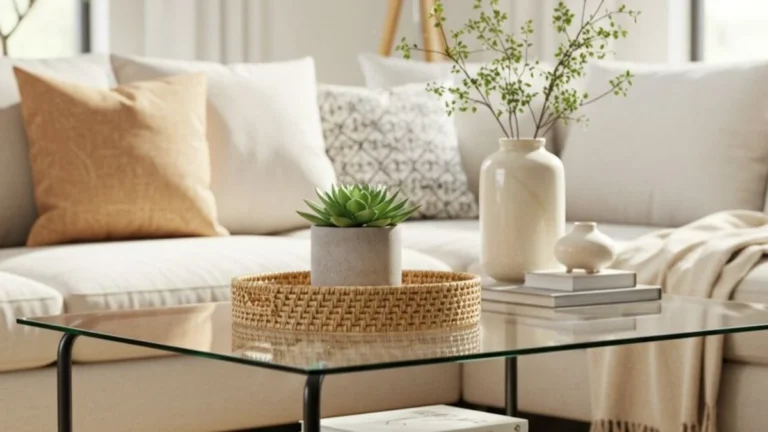
A glass coffee table is one of those pieces that instantly makes a living room feel brighter and more open. Its transparent design keeps the space looking light and modern—but it also means your styling choices are always on display.
That’s where many people get stuck. What looks elegant on a wood table can quickly feel cluttered on glass. The key is learning how to decorate with intention, not excess.
The good news is you don’t need to be a designer to get it right. With a few simple principles, you can create a coffee table setup that feels polished, balanced, and effortlessly stylish.
1. Start Simple and Let the Table Breathe
The biggest mistake people make with glass coffee tables is over-decorating. Because the surface is see-through, too many items can make the entire room feel visually busy.
Start with a completely clean surface, then build your look slowly. Think of each item as part of a curated display rather than everyday storage. Leaving some empty space isn’t a missed opportunity—it’s what makes the styling feel intentional.

2. Work with the Shape of Your Table
Before you place anything down, consider the shape of your coffee table. It naturally guides how your decor should be arranged.
Round tables tend to look best with a central arrangement, where everything revolves around one focal point. Rectangular tables give you more room to divide the surface into sections, which helps create balance without overcrowding. Oval tables fall somewhere in between, often benefiting from a slightly symmetrical layout that follows the curve.
3. Create Balance with the Rule of Three
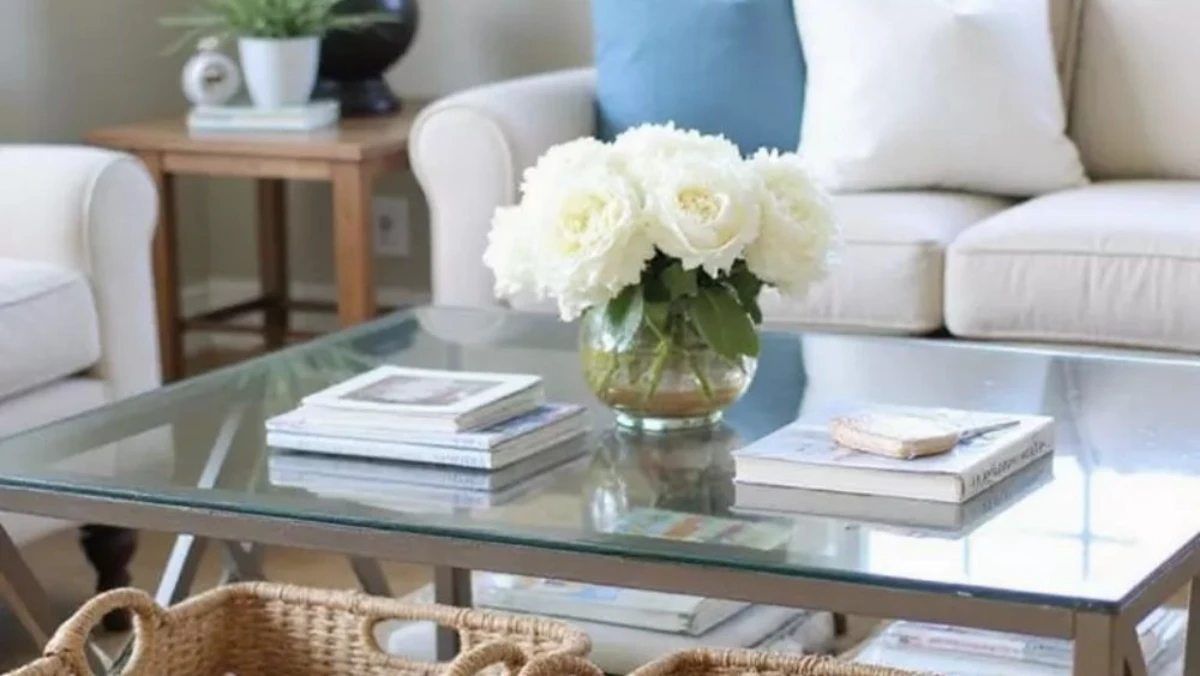
One of the easiest ways to make your coffee table look styled (instead of random) is to group items in threes. This simple design principle works because it naturally feels balanced to the eye.
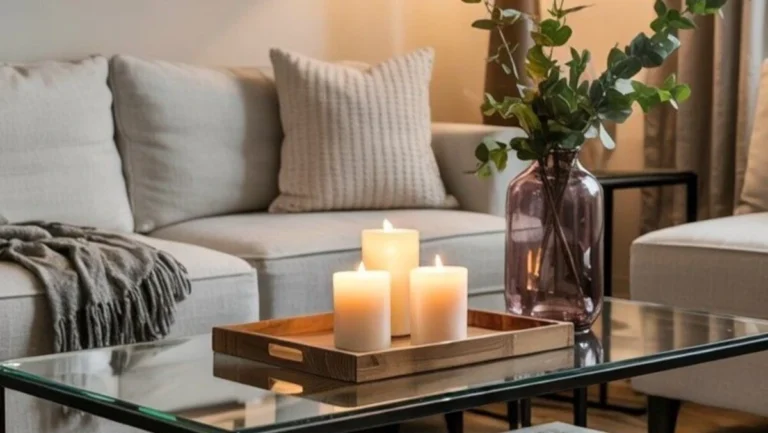
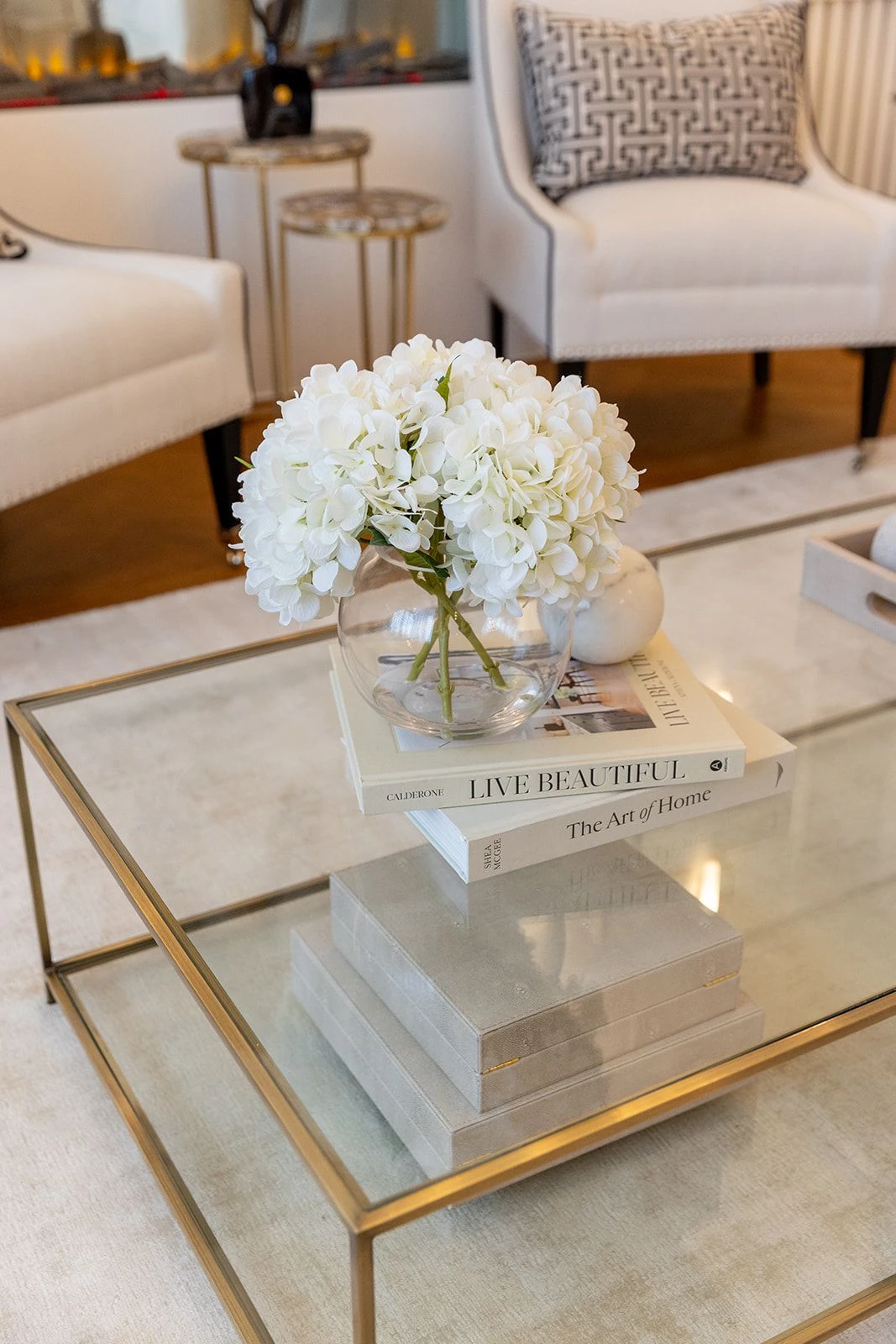
Instead of placing items evenly across the table, try grouping a few pieces together with slight variation in height. For example, a small stack of books can anchor the arrangement, while a candle or decorative object adds interest, and a taller element like a vase brings everything upward.
This layered look feels especially effective on glass, where depth and dimension are more noticeable.
4. Use a Tray to Add Structure
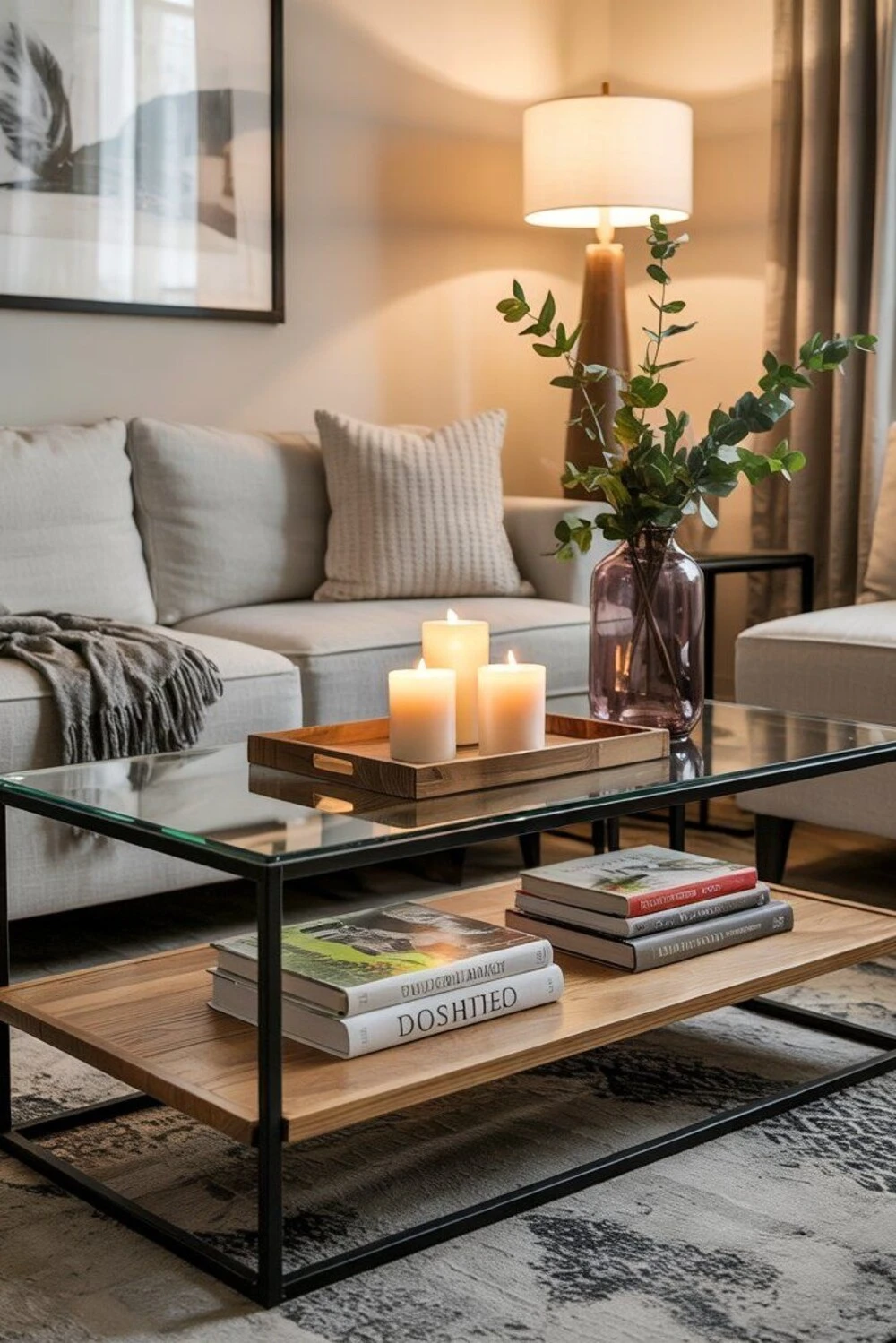
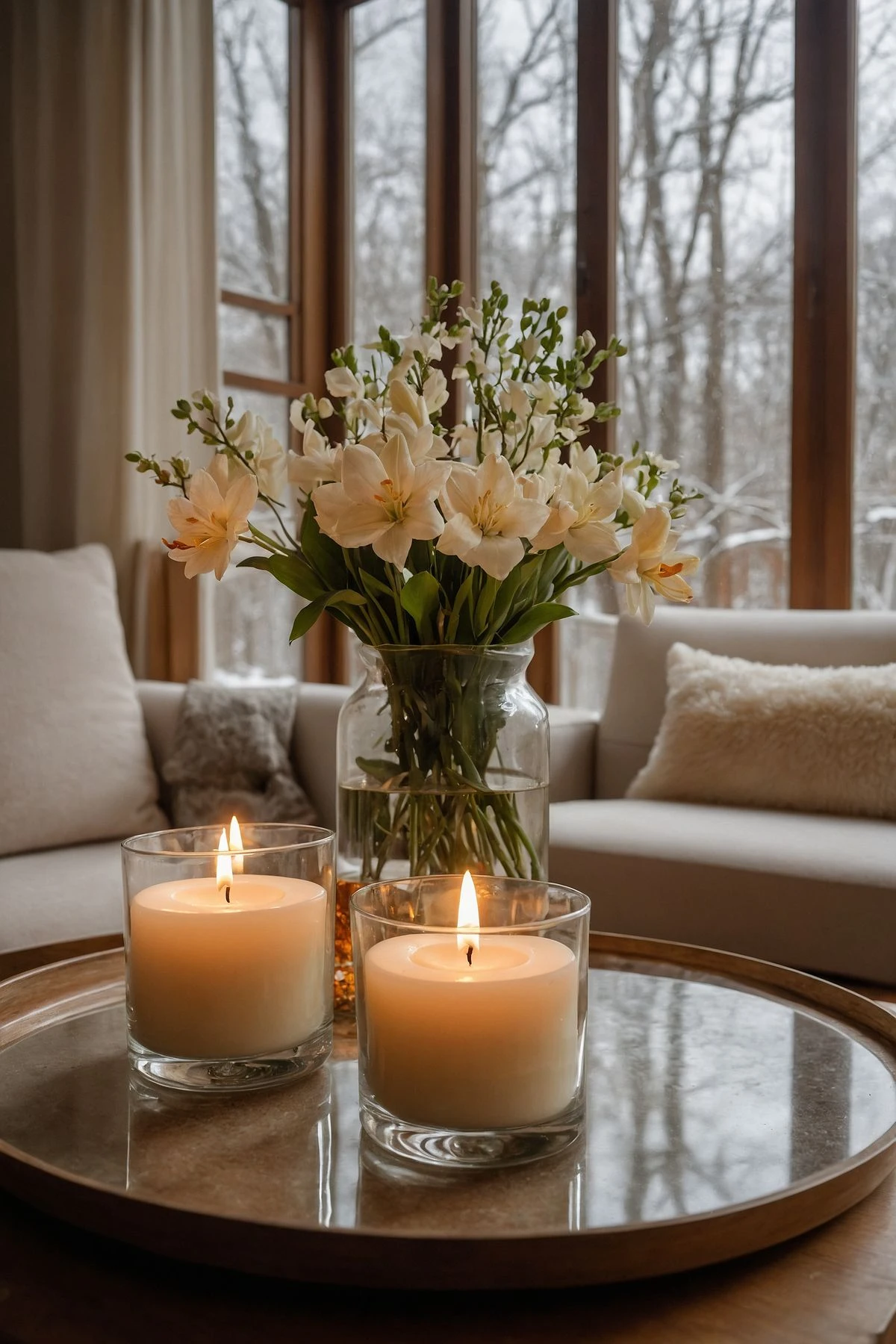
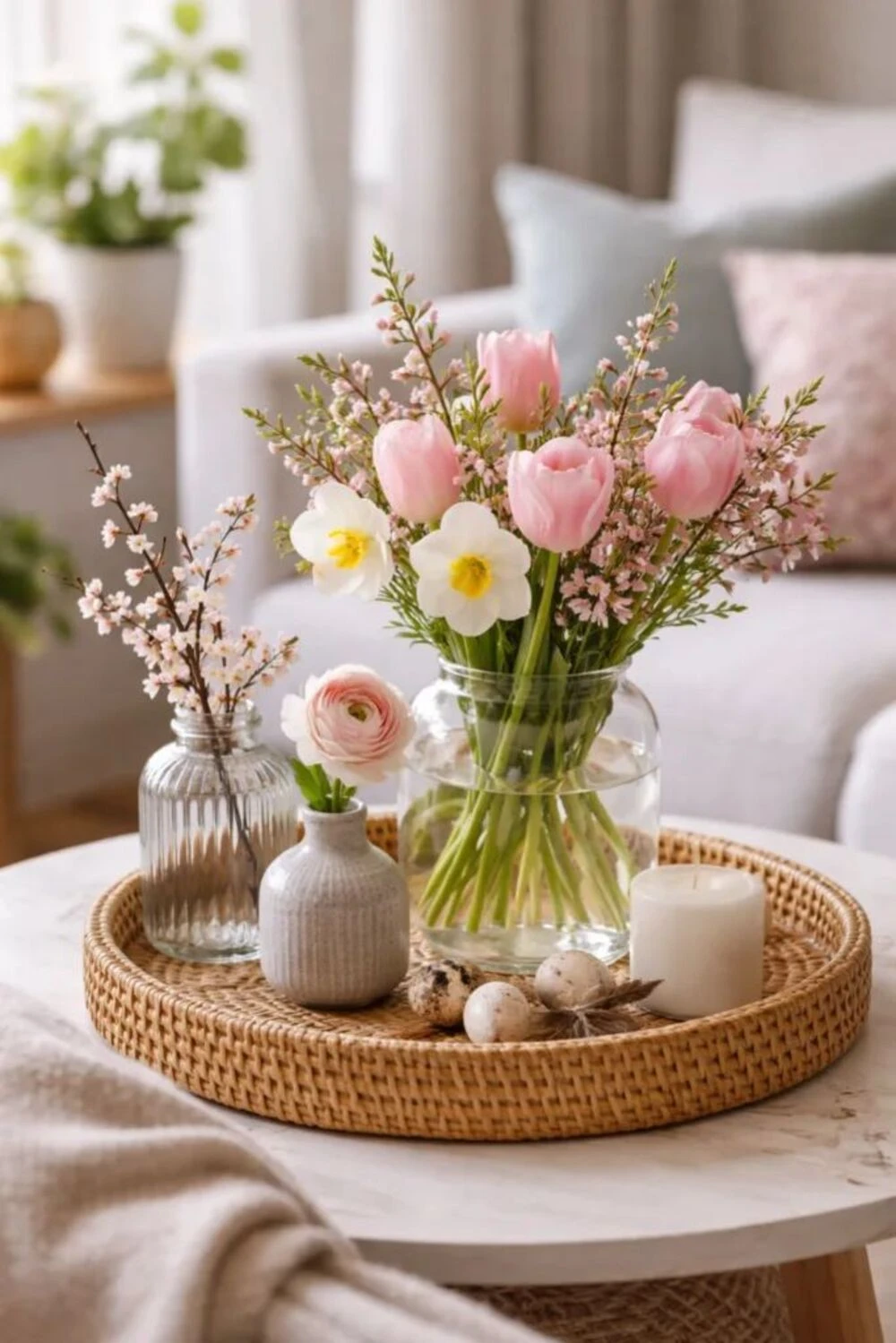
If your decor ever feels scattered, a tray can instantly fix it. On a glass coffee table, trays act like a visual anchor, giving your items a defined place to sit.
They also introduce contrast, which is something glass surfaces naturally lack. A wooden tray can warm things up, while a metal or marble tray leans more modern and refined.
5. Mix Materials to Avoid a Flat Look
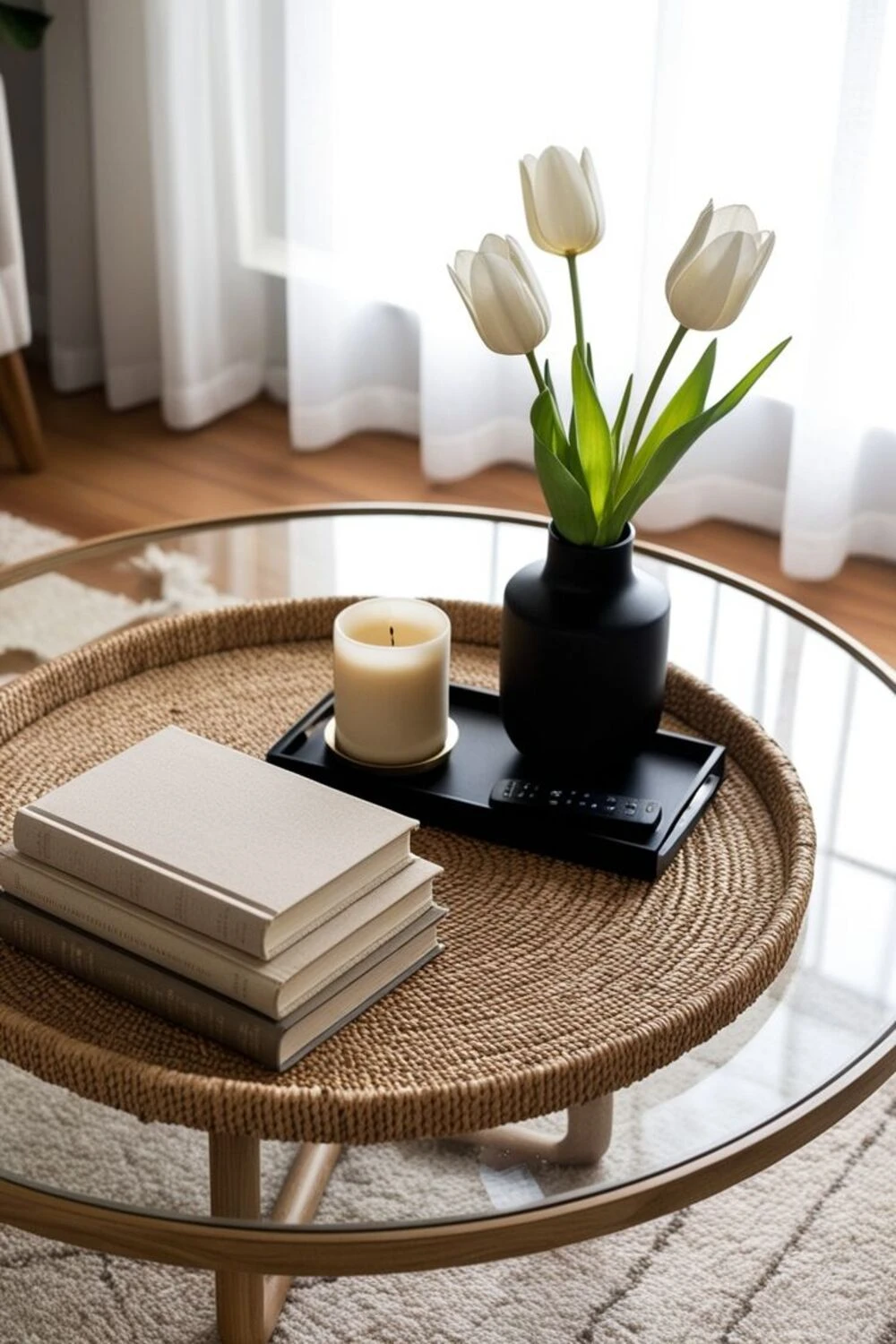
Glass on its own can feel a bit cold, so it helps to bring in other materials that add warmth and texture. When everything on the table is too similar, the whole setup can fall flat.
Try combining different finishes so each piece stands out. A ceramic vase, a stack of books, and a metallic accent can work together to create contrast without clashing. The goal isn’t to match everything perfectly—it’s to create visual interest through variety.
6. Add Height and Layers for Dimension
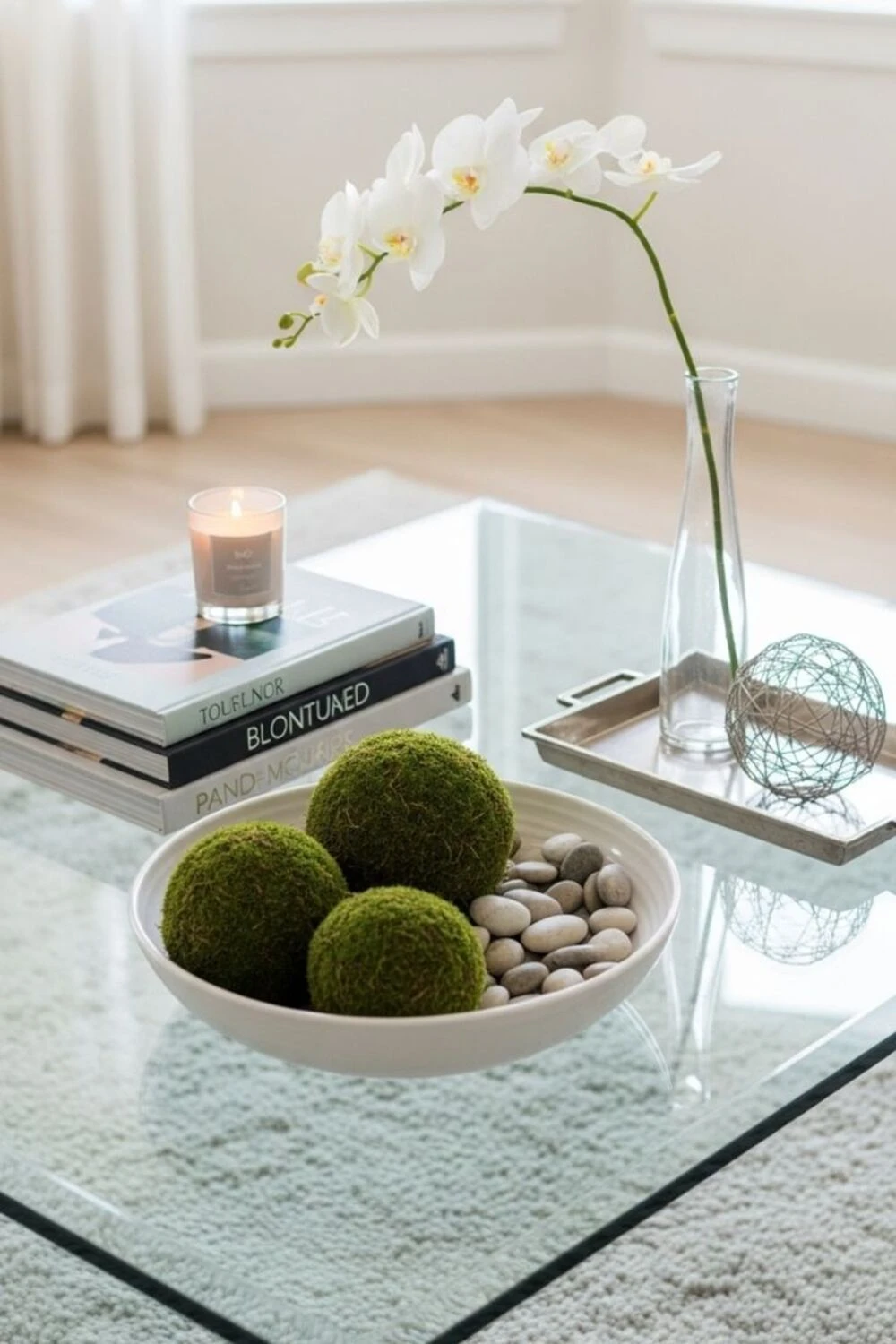
A common issue with coffee table styling is that everything sits at the same level, which can make the arrangement feel dull. Adding height solves this instantly.
Books are one of the easiest ways to build layers. They give smaller objects a base and help vary the overall height of your display. Pair that with one taller element, like a vase or a branch arrangement, and the table starts to feel more dynamic.
Because glass allows you to see through the surface, these layers become even more visually impactful.
7. Soften the Look with Natural Elements
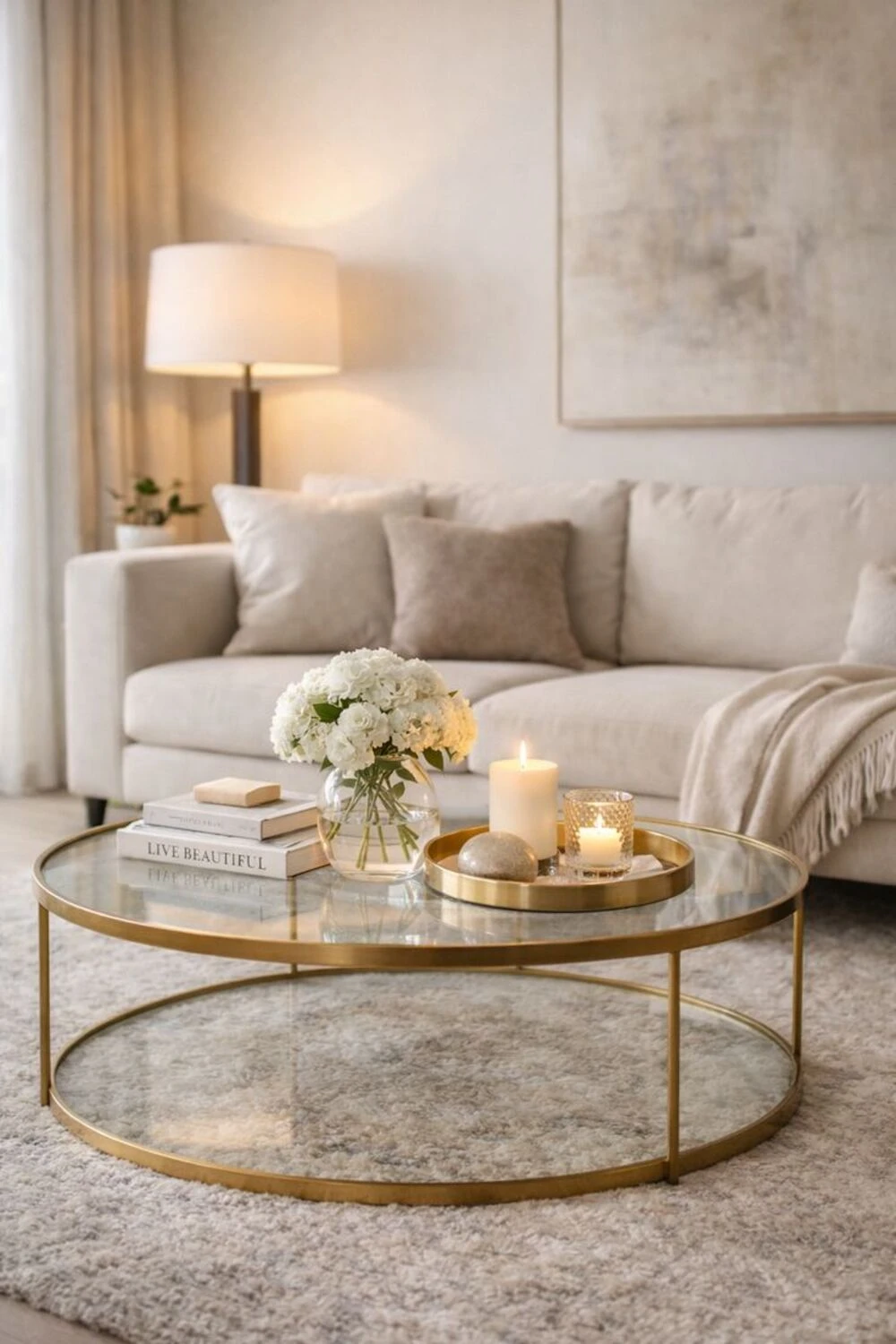
Glass and metal tend to feel sleek and modern, but they can also come across as a bit cold. Adding something natural helps balance that out.
A small plant or a simple vase of fresh flowers can bring life into the space without overwhelming it. Even something subtle, like a few green stems, can make a big difference in how inviting the table feels.
8. Choose One Focal Point
Every well-decorated coffee table has a clear focal point. Without one, the setup can feel scattered or unfinished.
This doesn’t mean you need something bold or dramatic. It could be as simple as a sculptural vase, a decorative bowl, or a standout object that draws your eye first. Once you have that centerpiece, everything else should support it rather than compete with it.
9. Keep It Practical for Everyday Living
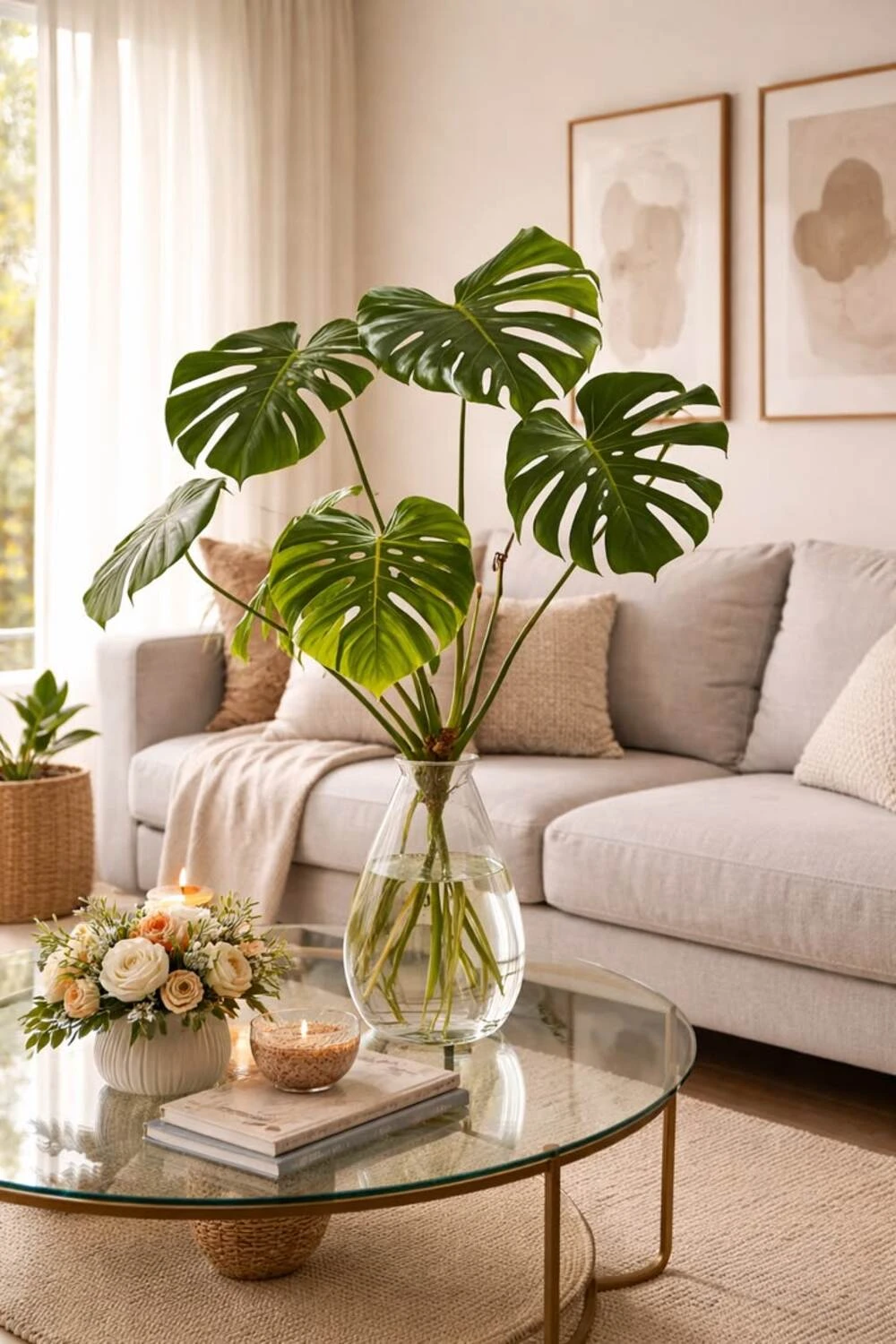
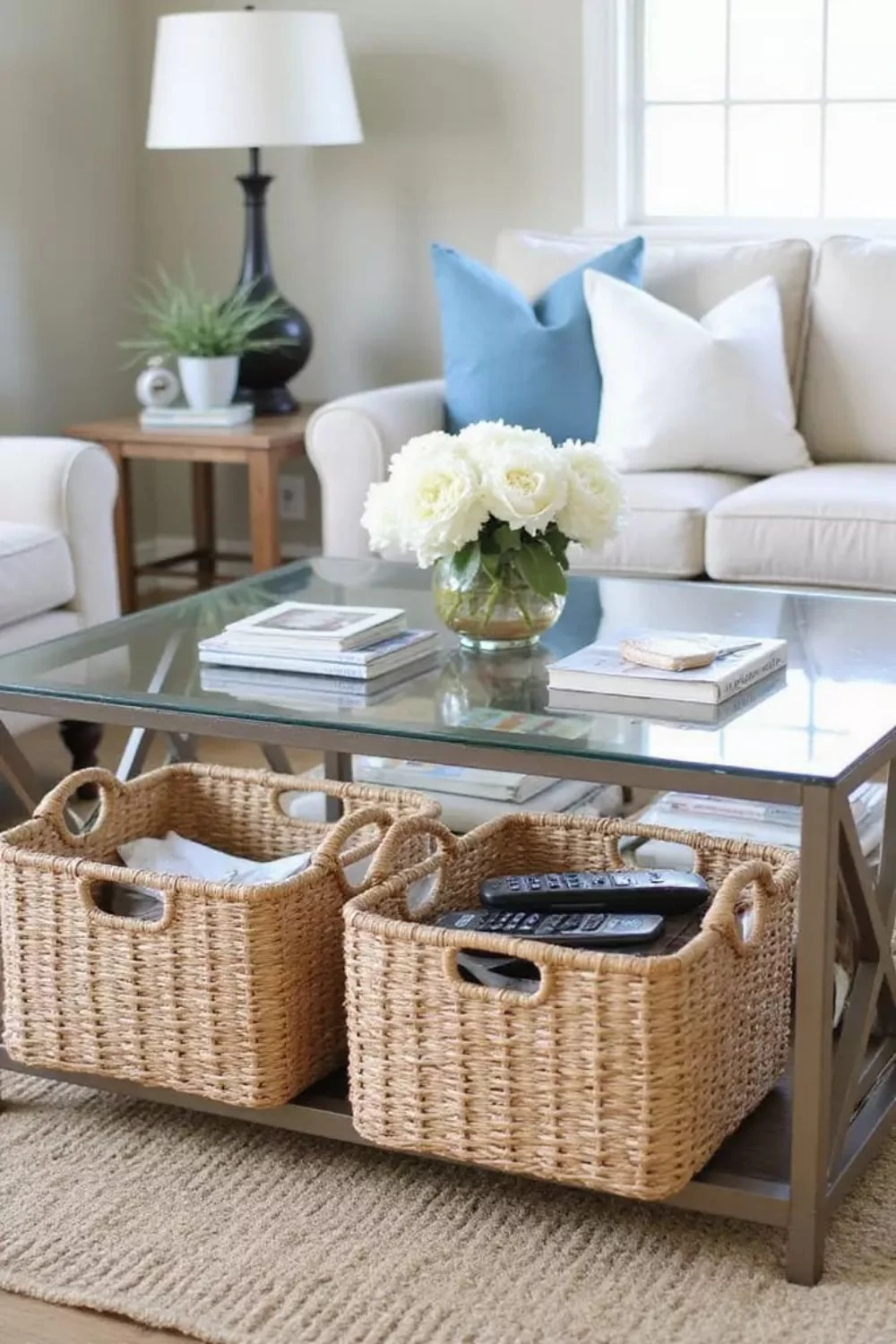
While styling is important, your coffee table still needs to function in real life. It’s okay to include practical items, as long as they’re thoughtfully integrated.
A small tray can hold remotes, coasters can blend into the decor, and a decorative box can hide clutter while still looking intentional. When done right, functional pieces actually enhance the overall design instead of taking away from it.
10. Match Your Overall Style
Your coffee table shouldn’t feel disconnected from the rest of your living room. The styling should reflect your overall aesthetic.
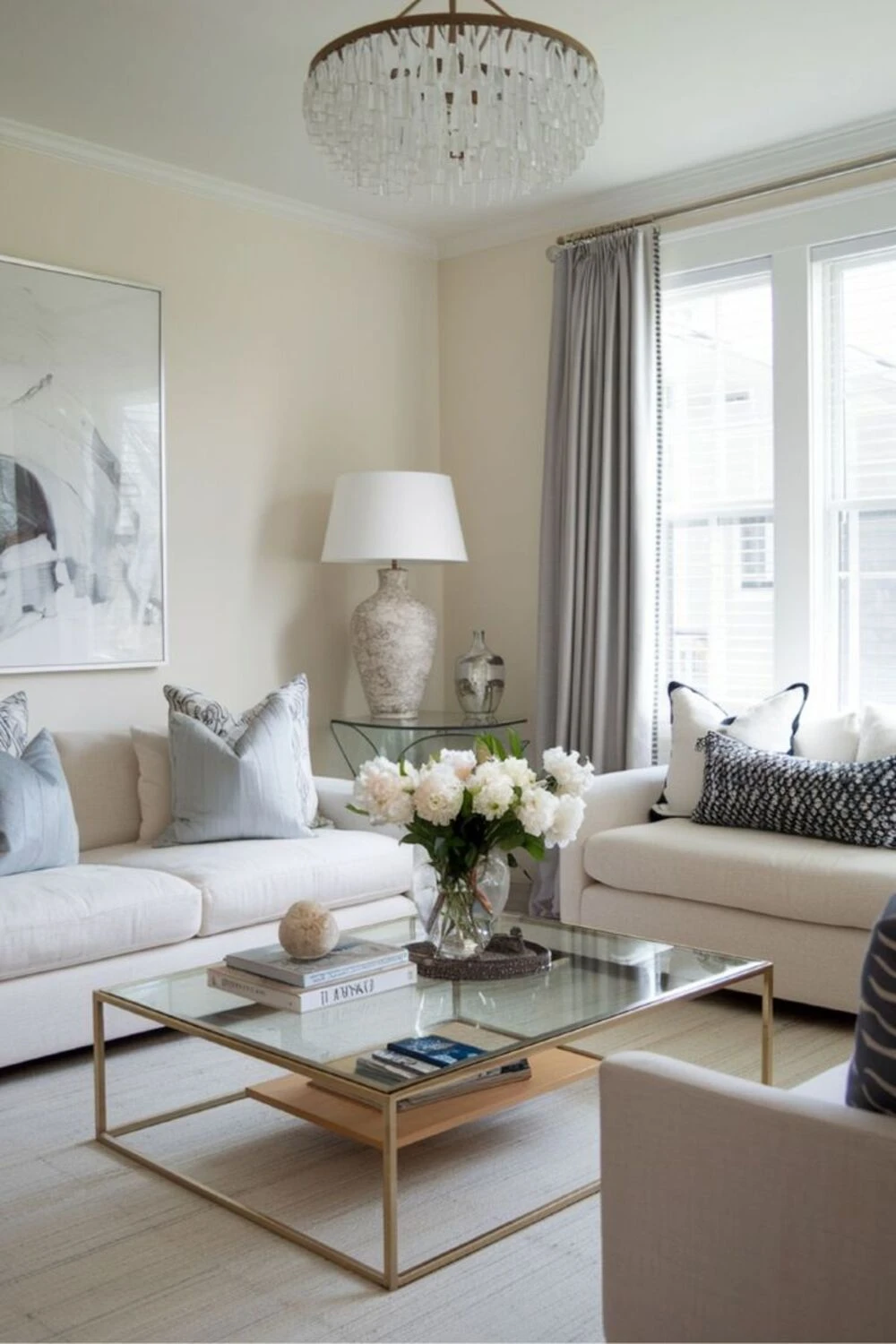
Modern spaces usually benefit from a minimal approach with clean lines and a limited color palette. More relaxed or boho interiors can handle layered textures and natural materials. If your space leans more upscale, incorporating metallics or marble accents can elevate the look.
11. Avoid Overstyling
If there’s one rule that matters most, it’s knowing when to stop. Glass coffee tables look best when they feel light and uncluttered.
Too many small items, oversized arrangements, or covering most of the surface can defeat the purpose of having a glass table in the first place. The transparency is part of the design—let it show.
Conclusion
Decorating a glass coffee table is really about balance. When you combine a few well-chosen pieces with thoughtful spacing, the result feels clean, modern, and intentional.
You don’t need a lot of decor to make an impact. In fact, the simplest setups are often the most effective. Start small, experiment with different arrangements, and let your personal style guide the final look.